



Published by the World Bank, Dr. Guldin was the main author of these Technical Guidelines along with Satoshi Ishihara, then of the World Bank and currently at the Asian Infrastructure Investment Bank (AIIB).
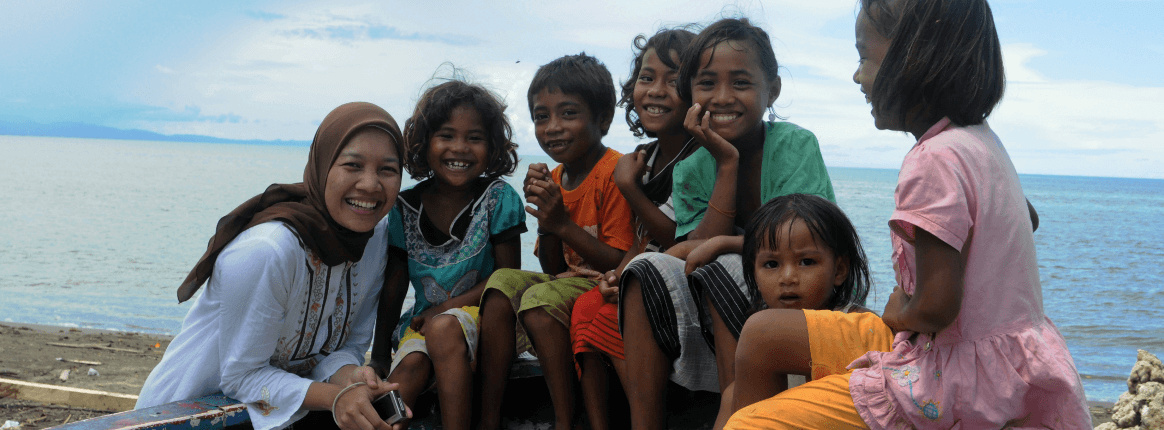
Published by the World Bank, Dr. Guldin was the main author of these Technical Guidelines along with Satoshi Ishihara, then of the World Bank and currently at the Asian Infrastructure Investment Bank (AIIB).
 In preparation for the 2007 SPE Asia Health, Safety, Security and Environment Conference and Exhibition in Bangkok, Thailand, CCCS and the EBRD produced this paper on best practices in the extractive industries sector for managing impacts on Indigenous Peoples. It provides an overview of best practices and a discussion on the improvement of international Indigenous Peoples safeguards.

CCCS researched and prepared the World Bank’s Indigenous Peoples of Russia Country Profile in collaboration with the Russian Association of Indigenous Peoples of the North, Siberia, and the Far East (RAIPON). It was written to provide World Bank teams with an understanding of the historical, legal and social issues involved in determining whether OP 4.10 should be applied.

This case study relates the experience of the Sakhalin Energy Project in enhancing how it engages minority communities affected by its operations. Internationally hailed as a success story and a model for corporate-indigenous collaboration, Sakhalin Energy’s experiences provide important lessons for sustainable social development practices and productive stakeholder engagement.

CCCS President Dr. Gregory Guldin was requested by IFC’s office of the Compliance Advisory Ombudsman (CAO) to discusses his ‘recipe for success’ in helping Sakhalin Energy Investment Company (SEIC) become one of the first private sector companies to achieve free, prior and informed consent (FPIC). This presentation gives practical guidance on how to both achieve and maintain FPIC.
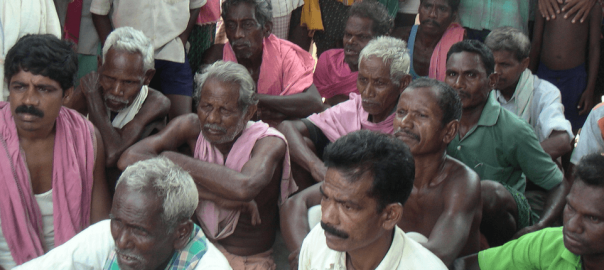
Responding to requests from social development practitioners, CCCS’ Dr. Greg Guldin penned an article describing the origin, contents, and approach of a new paradigm in Indigenous communities and project interactions. Entitled the “Indigenous Peoples Participation & Partnership Paradigm”, the new approach focuses on infusing the FPIC principles of inclusion, transparency, and self-empowerment to all project interactions with Indigenous Peoples: from first consultations, to the FPIC process itself, to the implementation of community or Indigenous Peoples development plans. It was published in 2022 in Resettlement in Asian Countries: Legislation, Administration and Struggles for Rights by Routledge.